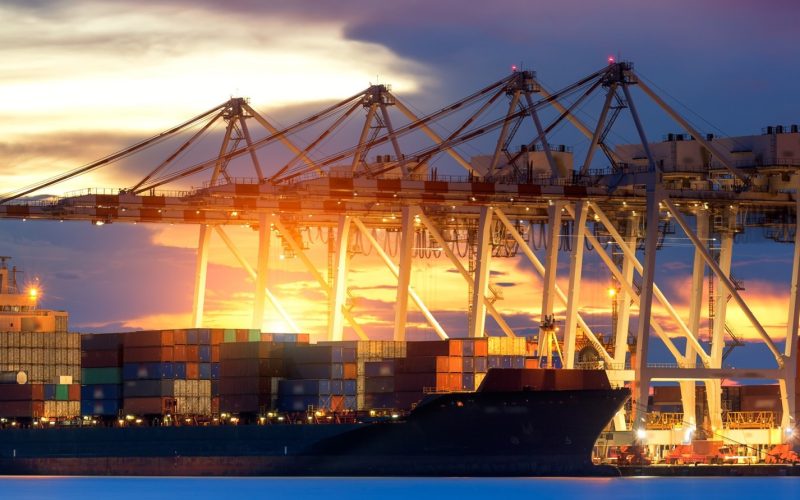
Sea freight (ocean shipping) is one of the most popular solutions for international import and export, especially when cost optimization matters on long distances. In practice, ocean freight includes organizing the shipment by vessel, selecting the carrier and sailing, booking space, and coordinating port operations. A key element is container shipping, most often handled as FCL (Full Container Load) or LCL (Less than Container Load). This makes it possible to match the service to your cargo volume—from a few pallets to full 20’ and 40’ containers.
What does sea freight include?
- route planning, port of loading and port of discharge selection
- transport documents (e.g., Bill of Lading) and support for customs preparation
- arranging container pick-up/delivery (road or rail)
- shipment tracking and control of timelines and port-related costs
Sea freight works well for bulk, production and trading cargo, but it requires strong coordination. Well-planned ocean forwarding minimizes the risk of port delays, storage/demurrage charges and disruptions caused by missing or incorrect documents. It’s the right choice for companies that want safe, predictable and cost-effective international shipping.