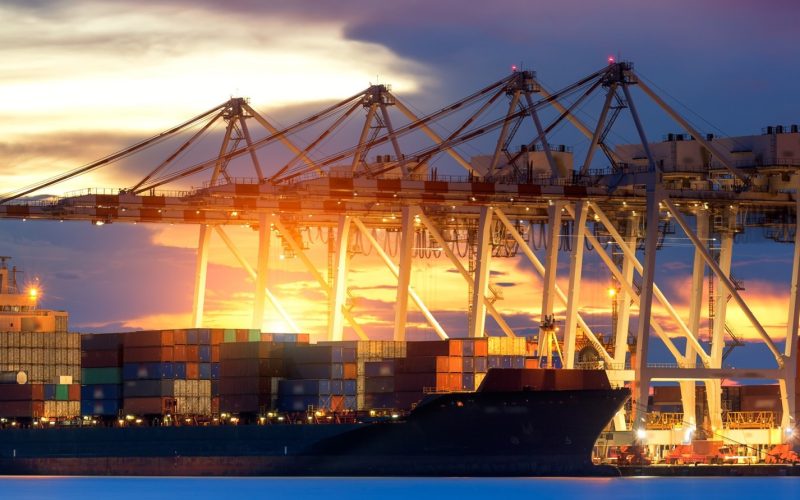
Intermodal transport uses multiple modes (e.g., vessel + rail + truck) while keeping the cargo in one loading unit—most often a container. Intermodal combines the strengths of each mode: the cost efficiency of sea freight, the stability of rail and the flexibility of road transport. It’s a modern logistics model, particularly common in containerized import/export.
Why intermodal can be cost-effective
- optimizes both cost and transit time
- stabilizes lead times through planned terminal operations
- supports large volumes (20’/40’ containers)
- provides end-to-end control of the process
Intermodal requires strong coordination: terminal transloading, slot availability, appointments and control of terminal charges and container dwell time. When well planned, intermodal minimizes bottlenecks and keeps the supply chain flowing—from the port to the warehouse. It’s especially attractive for companies that ship regularly and need predictability, scalability and logistics aligned with seasonal demand and changing business needs.